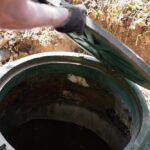
If you are planning to build on rural land in Colorado, one of the most important decisions you will make before breaking ground is how your property will handle wastewater. Septic design is not a one-size-fits-all process, and in a state as geographically diverse as Colorado, the variables that influence a functional system can change dramatically from one county to the next. Understanding what goes into the planning and approval process can save you thousands of dollars, prevent construction delays, and protect your land and water supply for decades to come. Why Septic Design Matters More Than You Think Many... View Article
When homeowners in Colorado, such as those around Hudson, CO, begin exploring options for a new septic installation, they often encounter the choice between concrete septic tanks and plastic models. Concrete tanks are traditionally cast with reinforced cement and designed to rest securely underground. Plastic tanks, often made from high‑density polyethylene, offer lighter weight and easier installation. The debate is not simply about cost. There are significant differences in structural integrity, durability, environmental resistance, and long‑term performance. For many rural or semi‑rural properties where engineered septic systems are required, understanding these differences is essential. Knowing whether a concrete tank or... View Article
The choice of a septic tank material is more than just a matter of preference. It affects not only the performance and reliability of the system but also the long-term investment you’re making into your property’s infrastructure. As professional civil engineers, we’ve seen how different materials perform over time under various soil, water table, and usage conditions. Two of the most popular options today are concrete septic tanks and plastic tanks. Each has its strengths and challenges, and understanding them can help homeowners and contractors make more informed decisions. Material Composition and Structural Integrity Concrete septic tanks have long been... View Article
Why Routinely Pumping Your Septic Tank Is Important Your septic system is designed to treat wastewater and prevent it from causing pollution in the soil and groundwater. Over time, the wastewater in your septic tank goes through a settling process that separates the solids and scum from the water. If you don’t pump your septic tank routinely, it can lead to serious problems. You could end up with a flooded lawn, backed up drains, and an unhealthy home environment. Prevents Flooding If you are a rural dweller and choose to have a septic tank for your home, it is vital... View Article
Not every household is hooked up to a network of public sewage pipes. Farms and rural homes are often tasked with installing their own private septic systems. While they’re better for the environment, the septic system planning process can be a daunting task for homeowners. Here’s everything you need to know about a basic septic system design. Septic tank size A standard septic system design consists of two main components: the septic tank and the drain field. A septic tank temporarily holds wastewater and organic matter until it’s ready to filter back into the underground water table. Septic tanks are... View Article

 HPEC is an active member of CAGE