
 HPEC is an active member of CAGE
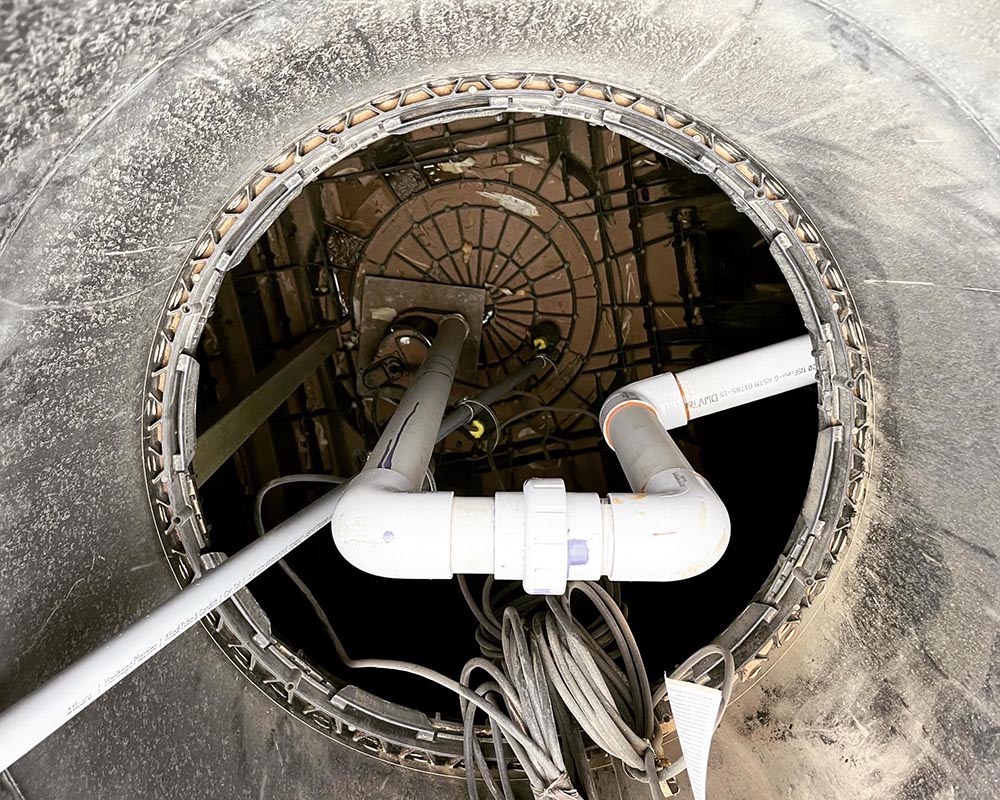
Septic System Design in Rural Colorado: What Property Owners Should Know Before Building
If you are planning to build on rural land in Colorado, one of the most important decisions you will make before breaking ground is how your property will handle wastewater. Septic design is not a one-size-fits-all process, and in a state as geographically diverse as Colorado, the variables that influence a functional system can change dramatically from one county to the next. Understanding what goes into the planning and approval process can save you thousands of dollars, prevent construction delays, and protect your land and water supply for decades to come.
Why Septic Design Matters More Than You Think
Many first-time rural property owners underestimate the complexity of wastewater management. Unlike urban areas connected to municipal sewer systems, rural properties must treat and dispose of wastewater entirely on-site. A well-executed septic design does more than just manage waste; it protects groundwater, prevents soil contamination, and keeps your household safe from harmful pathogens.
In Colorado, the stakes are particularly high. The state’s geology varies widely, from the clay-heavy soils of the Eastern Plains to the rocky mountain terrain of the Front Range and Western Slope. Each soil type and landscape presents unique challenges for wastewater absorption and treatment. A system designed without proper site evaluation can fail within a few years, leaving property owners facing expensive repairs, health hazards, and potential fines from county regulators.
Beyond the practical concerns, a properly permitted and designed septic system also adds value to your property. Lenders and buyers take wastewater infrastructure seriously, and a system that meets current Colorado standards will hold up far better under future scrutiny than a substandard installation.
Understanding Colorado’s Regulatory Framework for Septic Systems
Colorado regulates onsite wastewater treatment systems (OWTS) under a framework that places significant authority in the hands of individual counties. While the Colorado Department of Public Health and Environment (CDPHE) provides statewide guidance through Regulation 43, which governs individual sewage disposal systems, local county health departments are typically responsible for permitting, inspections, and enforcement.
This means that before you ever hire a designer or installer, you need to contact your specific county health department to understand local requirements. What is acceptable in Routt County may differ considerably from the rules in El Paso County or Montezuma County. Some counties have adopted stricter standards than the state minimum, particularly in areas near rivers, lakes, or other sensitive water resources.
Regulation 43 establishes minimum design criteria, acceptable system types, setback requirements from wells and water features, and the qualifications required for system designers and installers. Any professional you hire to handle your septic design should be licensed through the CDPHE and familiar with both state and county-level rules in your area.
Site Evaluation: The Foundation of Good Septic Design
Before any design work begins, your property must undergo a thorough site evaluation. This is the cornerstone of responsible septic design and cannot be skipped or rushed. The evaluation typically includes a soil morphology assessment, percolation testing (commonly known as a perc test), and a review of site-specific factors such as slope, proximity to wells, and seasonal water table levels.
Soil morphology involves digging test pits to examine the physical characteristics of the soil at various depths. Engineers and designers look at soil texture, structure, color, and the presence of restrictive layers that could prevent proper wastewater infiltration. Percolation testing measures how quickly water moves through the soil, which directly determines what type of system can be used on the property and how large the drain field needs to be.
In Colorado, elevation and frost depth are also critical considerations. Systems in high-altitude environments must be designed to function properly during winter months when the ground can freeze to significant depths. This often means incorporating insulation, adjusting component depths, or selecting system types that are better suited to cold climates.
The results of your site evaluation will directly shape every decision that follows. If the soils are poor or the topography is challenging, your designer may recommend an engineered system rather than a conventional gravity-fed setup. These advanced systems cost more upfront but are often the only viable option on difficult sites.
Types of Septic Systems Used in Colorado
Colorado property owners have access to a range of system types, and the right choice depends entirely on your site conditions, household size, and local regulations. Conventional systems, which use a septic tank paired with a gravity-fed soil absorption field, are the most common and cost-effective option when soil conditions allow. However, many rural Colorado properties do not have ideal conditions for conventional systems.
Pressure distribution systems use a pump to distribute effluent more evenly across the drain field, making them suitable for sites with slower soils or uneven terrain. Drip irrigation systems deliver treated effluent directly to the root zone of the soil at very low rates, which works well on smaller lots or in areas with strict environmental requirements. Mound systems elevate the drain field above the natural soil surface using imported fill material, which is helpful when the water table is high or when a restrictive soil layer sits close to the surface.
For properties with very poor soil or no suitable absorption area at all, alternative technologies such as aerobic treatment units (ATUs) or constructed wetlands may be considered. These systems provide a higher level of treatment before discharging effluent and are sometimes required in sensitive watersheds or near water bodies.
Each system type has its own maintenance requirements, costs, and lifespan. Your septic design professional should walk you through the pros and cons of each option as it applies to your specific site before any final decisions are made. Cutting corners at this stage almost always leads to problems down the road.
Working With a Licensed Designer and Preparing for the Permitting Process
Once your site evaluation is complete, the next step is working with a licensed OWTS designer to produce a formal septic design plan. In Colorado, designers must hold appropriate credentials issued by the CDPHE, and many counties require the designer to be directly involved in the permitting and inspection process as well.
A complete design package typically includes a detailed site plan, soil evaluation report, system specifications, component details, and installation notes. This documentation is submitted to your county health department as part of the permit application. Review timelines vary by county, but it is wise to plan for several weeks of processing time, especially if your site has complex conditions that require additional review.
Once a permit is issued, the system must be installed by a licensed installer and inspected before being covered. Do not skip or rush the inspection process. A failed inspection not only delays your project but can require costly rework that could have been avoided with proper planning from the start.
After installation, Colorado property owners are responsible for ongoing maintenance, including regular pumping of the septic tank (typically every three to five years), keeping accurate service records, and reporting any system failures to the county. Some advanced system types require annual maintenance contracts with certified service providers as a condition of the permit.
Conclusion
Proper septic design is one of the most consequential investments you will make when building on rural property in Colorado. From navigating county regulations and completing a thorough site evaluation to selecting the right system type and working with licensed professionals, every step of the process matters. Taking the time to do it right from the beginning protects your land, your water supply, your household, and your long-term property value.
Need Engineers and Designers in Hudson, CO?
Since 2006, High Plains Engineering & Consulting, LLC has been a civil and structural engineering company in Fort Lupton and the surrounding areas. We provide sensible solutions to geotechnical, structural, environmental, and civil engineering challenges. Our office provides practical expertise backed by diverse design resources to get the job done cost-effectively and efficiently with sustainability in mind. We offer various services for commercial, residential, and agricultural properties like soil testing, percolation testing, and foundation and septic design for new construction. Once that is taken care of we also offer services for floor framing, garage plans, house plans, site plans, and inspection services. Call us today for an appointment!
Categorised in: Septic Systems