
 HPEC is an active member of CAGE
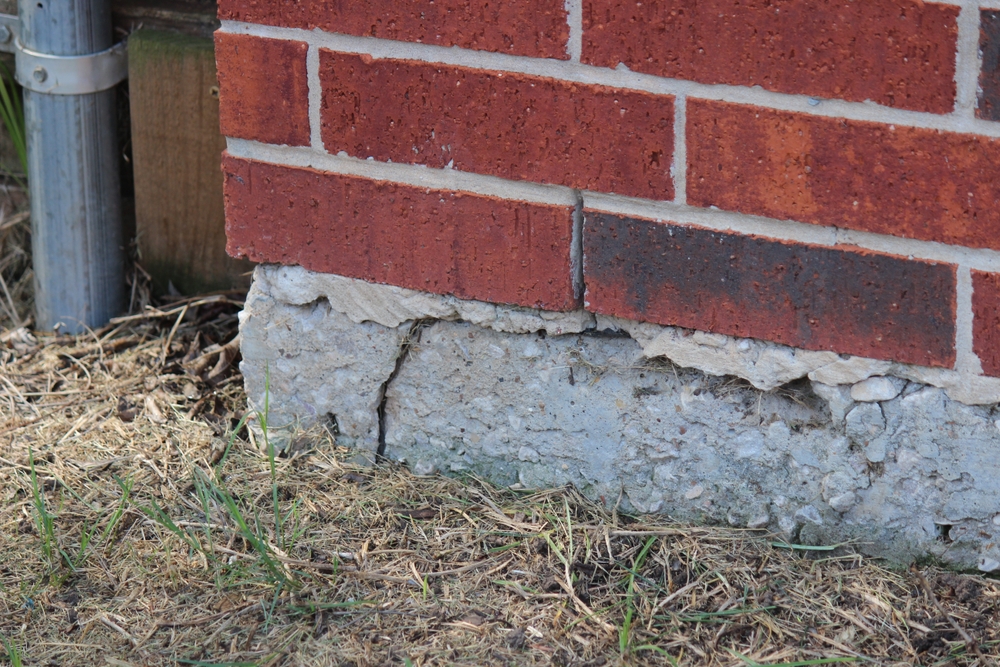
Signs Your Foundation May Need Professional Evaluation
Your home is one of the most significant investments you will ever make, and the foundation it sits on is quite literally what holds everything together. When foundation problems begin to develop, the warning signs can be subtle at first, easy to dismiss as normal settling or minor cosmetic issues. But ignoring these early signals can lead to costly repairs down the road.
Knowing what to look for and when to schedule foundation inspections can save you thousands of dollars and protect the long-term integrity of your home.
1. Cracks in Walls, Floors, and Ceilings
One of the most common and telling signs that your foundation may be in trouble is the appearance of cracks throughout your home. Not all cracks are created equal, and understanding the difference between a harmless hairline crack and a serious structural fracture is important.
Vertical cracks in drywall are often the result of normal settling and may not indicate a serious problem. However, horizontal cracks in basement or crawl space walls are a much greater cause for concern. These types of cracks suggest that the soil outside is exerting significant lateral pressure against your foundation walls, which can eventually cause them to bow inward or collapse entirely.
Diagonal cracks, particularly those that run at a 45-degree angle from the corners of windows and doors, are another warning sign worth noting. These often point to differential settlement, which occurs when one part of your foundation sinks more than another. Stair-step cracks in brick or block exteriors follow a similar pattern and should prompt you to schedule professional foundation inspections sooner rather than later.
Floor cracks in concrete slabs are also significant, especially if they are wide, uneven, or growing over time. If you notice cracks that seem to shift in width depending on the season, that movement suggests ongoing foundation stress that deserves a closer look from a qualified structural engineer.
2. Doors and Windows That Stick or Will Not Close Properly
When doors and windows begin sticking, jamming, or failing to latch correctly, many homeowners assume the cause is humidity, wood swelling, or simple wear and tear. While those factors can play a role, persistent problems with doors and windows are frequently tied to foundation movement.
As a foundation shifts or settles unevenly, the frames of your home can rack out of square. This distortion puts pressure on door and window frames, causing them to twist or warp just enough to prevent smooth operation. Interior doors that previously swung freely may start dragging on the floor or refusing to stay closed. Exterior doors may develop visible gaps along the top or sides of the frame.
Pay special attention to doors near the corners of your home, as these areas tend to be the first to reflect foundation movement. If you notice that multiple doors or windows in the same general area of your home are all experiencing problems at the same time, that clustering effect is a strong indicator that foundation movement is the root cause rather than isolated wear.
Garage doors are another area to watch. A garage door that no longer closes flush with the ground or leaves uneven gaps along the bottom edge may be reflecting shifting in the slab or stem wall beneath it. Routine foundation inspections can identify these subtle shifts before they escalate.
3. Sloping or Uneven Floors
Walking across a floor that feels springy, bouncy, or noticeably uneven is an unsettling experience, and for good reason. Sloping floors are among the clearest physical signs that something is happening beneath your home.
In homes built on a crawl space, sloping floors often result from deteriorating support posts, rotting beams, or a foundation that has settled in one area more than others. The floor above will mirror whatever is happening below, gradually developing a tilt that becomes more pronounced over time.
In slab-on-grade homes, uneven floors typically point to movement or failure within the slab itself. Voids can form beneath the concrete when soil erodes or shifts, leaving sections of the slab without adequate support. Over time, those unsupported areas begin to crack, sink, or heave upward.
You can do a simple test at home by placing a marble or small ball on the floor and watching where it rolls. If it consistently moves toward one area of the room, your floor may have a slope worth investigating. A level tool can also give you a rough sense of how much pitch is present. Any slope greater than one inch over ten feet is generally considered outside the normal range and warrants professional foundation inspections.
4. Water Intrusion and Moisture Problems in the Basement or Crawl Space
Water and moisture are persistent enemies of any foundation. When water finds its way into your basement or crawl space, it does not just create an unpleasant environment. It actively accelerates the deterioration of your foundation over time.
Hydrostatic pressure is one of the main mechanisms at work here. When saturated soil surrounds your foundation walls, the weight of that water exerts enormous outward and downward force on the concrete or block. Over time, this pressure causes walls to bow, crack, and eventually fail.
Signs of water intrusion include visible efflorescence, which is the white, chalky mineral residue left behind when water evaporates from concrete surfaces. You might also notice peeling paint, rust stains, mold growth, or a persistently musty odor. Standing water or damp soil in a crawl space after rainfall is another clear indicator that your drainage and waterproofing systems are not keeping moisture away from your foundation.
It is worth noting that not all moisture problems originate from groundwater. Poor grading around the home, clogged gutters, and downspouts that discharge too close to the foundation can all direct surface water toward your home rather than away from it. Addressing these drainage issues early is an important part of protecting your foundation, and a professional evaluation can help identify whether the source is surface water, groundwater, or both.
5. Visible Foundation Wall Displacement or Bowing
If you can visually see that a foundation wall is leaning inward, bowing, or curving, that is a serious warning sign that should not be delayed. This type of displacement indicates that the soil pressure against the wall has overcome the wall’s structural capacity, and the situation will not improve on its own.
Bowing is most common in basement walls constructed from concrete block or brick. These materials are strong under vertical loads but more vulnerable to lateral pressure. As the wall begins to bow, horizontal cracks or stair-step cracks will often appear at the point of greatest stress.
Even a small amount of visible displacement is worth taking seriously. In many cases, foundation walls that have moved inward by two inches or more require more intensive repair methods, such as wall anchors, carbon fiber straps, or even full wall replacement. The earlier the issue is caught through professional foundation inspections, the more options you will have for repair and the lower the overall cost.
Conclusion
Your foundation works quietly every day to support everything above it. When something goes wrong, your home will often give you clear signals if you know where to look. Cracks, sticking doors, sloping floors, moisture problems, and visible wall movement are all signs that it is time to bring in a professional. Scheduling timely foundation inspections is one of the smartest steps any homeowner can take to protect their property and their peace of mind.
Need Engineers and Designers in Hudson, CO?
Since 2006, High Plains Engineering & Consulting, LLC has been a civil and structural engineering company in Fort Lupton and the surrounding areas. We provide sensible solutions to geotechnical, structural, environmental, and civil engineering challenges. Our office provides practical expertise backed by diverse design resources to get the job done cost-effectively and efficiently with sustainability in mind. We offer various services for commercial, residential, and agricultural properties like soil testing, percolation testing, and foundation and septic design for new construction. Once that is taken care of we also offer services for floor framing, garage plans, house plans, site plans, and inspection services. Call us today for an appointment!
Categorised in: Home Inspections