Starting a commercial development project in Highlands Ranch requires more than a strong concept and financing. From site selection and drainage planning to permitting and infrastructure coordination, developers who understand the local process early are better positioned to avoid delays, unexpected costs, and redesigns. Quick Answer Developers planning commercial projects in Highlands Ranch should evaluate zoning, site constraints, utility availability, drainage requirements, transportation access, and local permitting requirements before design work begins. Early engineering and due diligence help identify challenges that could affect budgets, timelines, and long-term project performance. What Local Readers Should Know Commercial developments in Highlands Ranch often... View Article
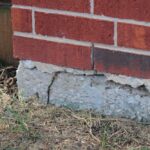
Your home is one of the most significant investments you will ever make, and the foundation it sits on is quite literally what holds everything together. When foundation problems begin to develop, the warning signs can be subtle at first, easy to dismiss as normal settling or minor cosmetic issues. But ignoring these early signals can lead to costly repairs down the road. Knowing what to look for and when to schedule foundation inspections can save you thousands of dollars and protect the long-term integrity of your home. 1. Cracks in Walls, Floors, and Ceilings One of the most common... View Article
When buying or selling a property, understanding the type of inspection you need can save you time, money, and a great deal of stress. Many homeowners and buyers assume that all property inspections are created equal, but that is far from the truth. Home inspections and engineering inspections serve very different purposes, are performed by different professionals, and produce very different outcomes. Knowing which one applies to your situation is a critical step in making informed real estate decisions. What Is a Home Inspection? A home inspection is a visual, non-invasive examination of a property’s overall condition. It is typically... View Article
Renovating a home is one of the most exciting investments a homeowner can make. Whether you are updating a kitchen, finishing a basement, or adding a new room, the promise of transformation is thrilling. But beneath the surface of any older home, or even a relatively newer one, hidden problems can lurk that turn a dream renovation into a costly nightmare. This is exactly why structural inspections are so important before any renovation project begins. They give homeowners, contractors, and architects a clear picture of what they are truly working with before the first wall comes down or the first... View Article
If you are planning to build on rural land in Colorado, one of the most important decisions you will make before breaking ground is how your property will handle wastewater. Septic design is not a one-size-fits-all process, and in a state as geographically diverse as Colorado, the variables that influence a functional system can change dramatically from one county to the next. Understanding what goes into the planning and approval process can save you thousands of dollars, prevent construction delays, and protect your land and water supply for decades to come. Why Septic Design Matters More Than You Think Many... View Article
 HPEC is an active member of CAGE