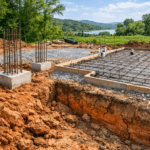
When you’re planning a building project or renovation, the excitement of envisioning your new space can easily overshadow the practical concerns that come with construction. One of the most critical steps you can take, however, is scheduling a structural engineering review before breaking ground. This essential process involves having a qualified engineer evaluate your property and construction plans to ensure everything meets safety standards and building codes. Whether you’re adding a new room, removing a wall, or purchasing an older property, structural assessments can save you thousands of dollars and protect your investment for years to come. What a Structural... View Article
Delays can be catastrophic. A single setback can cascade through an entire project timeline, inflate budgets, and damage client relationships. Yet many engineering teams operate without robust project administration systems, leaving them vulnerable to the very delays they could prevent. The truth is that effective project administration is not a luxury; it is a necessity that keeps engineering projects on track and engineers ahead of schedule. By implementing proper administrative processes, teams can identify potential bottlenecks early, communicate effectively, and maintain the momentum that successful projects require. Project administration encompasses the organizational systems, processes, and oversight required to keep complex... View Article
For architects and custom home builders, slab design decisions carry long-term consequences that extend far beyond structural performance. Slab-on-grade construction is common across many regions because it is efficient, durable, and cost-effective. However, without the right insulation strategy, it can also become one of the largest sources of unwanted heat loss in a building. Real estate developers who overlook slab insulation often discover that energy modeling results, comfort complaints, and compliance hurdles all trace back to this foundational detail. Selecting the correct slab-on-grade insulation methods is not simply about adding rigid foam beneath concrete. It requires an understanding of climate... View Article
Energy codes are no longer a box to check at the end of a project. For architects, custom home builders, and real estate developers, energy compliance is now a central part of design, permitting, and financial planning. From early schematic drawings to final inspections, performance metrics follow a project every step of the way. At the center of that process is the Home Energy Rating System. If you have ever been asked, What is a HERS report?, you are not alone. Many design and development professionals understand that HERS is required for permits or incentives, but fewer fully grasp how... View Article
Hudson, Colorado, located in Weld County, is part of Northern Colorado’s rapidly growing Front Range region. While the town offers sweeping plains and a peaceful lifestyle, it presents a unique challenge for residential and commercial construction: expansive clay soils. These soils, rich in montmorillonite minerals, have a high capacity to absorb water and expand, then shrink dramatically during dry spells. This shrink-swell behavior creates unpredictable movements in the ground, often leading to structural issues in improperly designed foundations. For property owners and developers in Hudson, CO, understanding and addressing these soil conditions is not optional. It is an essential part... View Article

 HPEC is an active member of CAGE