 HPEC is an active member of CAGE
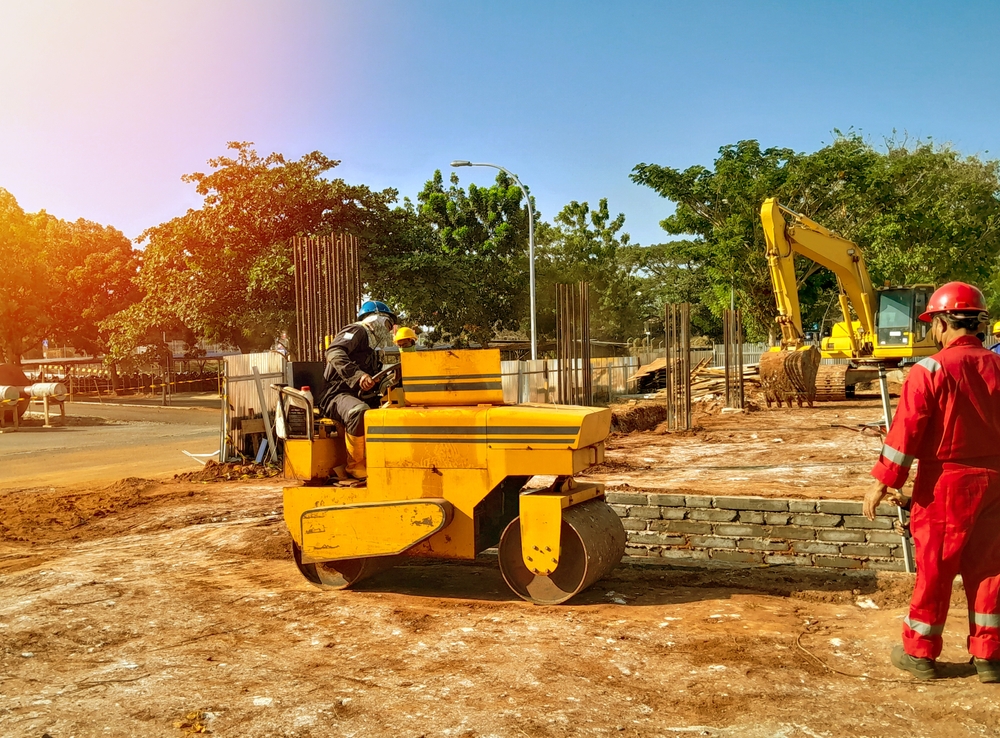
5 Construction Problems an Engineer May Catch During Site Observation
Construction drawings show how a project is intended to come together, but actual field conditions can reveal issues that are difficult to anticipate on paper. In Hudson, CO, soil conditions, changing weather, site grading, and coordination between trades can all affect whether construction matches the design.
An engineer performing site observation may identify visible construction conditions that deserve attention before they become more difficult or expensive to address. Site observation is not the same as continuous inspection or construction supervision, but it can provide an important opportunity to compare observed work with the project documents and engineering intent.
Quick answer: During site observation, an engineer may catch problems involving foundation preparation, reinforcing steel, drainage and grading, structural framing or connections, and conflicts between building systems. Identifying these conditions while work is still accessible may allow the project team to evaluate corrections before finishes conceal the affected area or construction progresses further.
What local property owners and project teams should know
-
Site observation gives an engineer an opportunity to compare visible construction conditions with the plans and design intent.
-
Expansive or moisture-sensitive soils can be a concern along Colorado’s Front Range, making foundation and site drainage details especially important.
-
Projects in Hudson must also account for applicable Town of Hudson development and building requirements.
-
Problems are often easier to evaluate while foundations, reinforcing steel, framing, and connections remain exposed.
-
An engineer’s site observation does not replace the contractor’s responsibility for construction methods, quality control, or required municipal inspections.
1. Foundation and Soil Preparation Problems
Foundation and soil preparation problems may become visible when actual excavation, bearing conditions, fill placement, or foundation construction differs from what the design anticipated. In Hudson and surrounding Weld County, these observations can be particularly important because Colorado soils may change volume as moisture conditions change.
The Colorado Geological Survey identifies expansive soil and rock as materials containing clay that can expand when wetted and shrink as they dry. It also notes that construction problems can result from inadequate void space, improper reinforcing, poor drainage, and excessive drying of clay before concrete placement.
During an observation, an engineer might notice conditions such as unexpected fill, disturbed bearing material, improperly prepared subgrade, or construction that does not appear consistent with geotechnical recommendations.
These issues matter because the foundation transfers building loads into the ground. If the supporting conditions differ significantly from the assumptions used in design, additional evaluation may be needed before construction continues.
For projects along the I-76 and State Highway 52 corridors, careful attention to foundation conditions can help the project team respond to site-specific soil conditions rather than assuming every property will behave the same way.
2. Reinforcing Steel That Does Not Match the Plans
Reinforcing steel problems can include missing bars, incorrect spacing, misplaced reinforcement, inadequate clearances, or other visible differences from the structural drawings. Catching these conditions before concrete is placed gives the design and construction teams an opportunity to determine whether changes are necessary.
Reinforcing steel helps concrete resist forces it cannot effectively handle alone. Its location can be just as important as the amount of steel provided.
During site observation, an engineer may compare visible reinforcement with structural details for elements such as:
-
Footings
-
Foundation walls
-
Grade beams
-
Slabs
-
Concrete columns
-
Other reinforced structural components
This is especially valuable because reinforcement becomes difficult or impossible to see after the concrete pour.
The Colorado Geological Survey specifically identifies insufficient or improperly placed reinforcing steel as one construction problem associated with expansive-soil conditions. For projects in Hudson, Keenesburg, Lochbuie, and other parts of the eastern Front Range, checking visible reinforcement before it is concealed may help prevent a relatively correctable field issue from becoming a more complicated structural question later.
3. Drainage and Grading Issues Near the Building
Drainage and grading issues may be identified when the constructed site does not appear to direct water away from foundations or other sensitive areas as intended. Proper drainage is particularly important where moisture changes can affect soils beneath or alongside a structure.
Water management starts well before landscaping is complete. During construction, an engineer may observe low areas, unexpected slopes, drainage paths toward the building, or grading that differs from the civil or structural design assumptions.
The concern is not simply standing water after a storm. Repeated moisture changes near foundation soils can contribute to movement in susceptible materials. The Colorado Geological Survey notes that ponding water near foundations and poor management of surface drainage can contribute to expansive-soil problems.
Properties around Hudson also experience Colorado’s seasonal swings, including snow, freezing conditions, spring moisture, summer thunderstorms, and periods of dry weather. Those cycles make consistent drainage around structures worth addressing during construction rather than after signs of movement appear.
4. Structural Framing and Connection Problems
Structural framing and connection problems can occur when beams, columns, walls, trusses, fasteners, anchors, or other structural components are installed differently from the engineering drawings. An engineer may identify visible discrepancies during observation and determine whether they require further review.
Construction involves multiple trades working from different sets of drawings. A field modification that seems small to one trade can sometimes affect the structural load path.
Examples an engineer may notice include:
-
A framing member placed in a different location than shown
-
Missing or visibly different connection hardware
-
An opening cut through a structural member
-
Anchor locations that do not correspond with the plans
-
A beam, wall, or column that has been shifted to accommodate another building component
-
Field changes made without documented engineering review
Not every variation represents a structural problem. Some differences may be acceptable, while others may require calculations, revised details, or corrective work.
That distinction is one reason engineering observation can be useful on projects throughout Weld County, including Hudson, Fort Lupton, and neighboring communities. The goal is to identify visible discrepancies early enough for the appropriate professionals to evaluate them.
5. Openings, Penetrations, and Trade Coordination Conflicts
Openings and penetrations can create structural concerns when plumbing, mechanical, electrical, or other building systems pass through structural components in locations that were not anticipated in the design. Site observation may reveal these conflicts while there is still an opportunity to coordinate a solution.
A mechanical duct may need space where a beam is located. Plumbing may cross a footing or grade beam. Electrical work may require penetrations through framing. Openings for doors, equipment, or utilities may also shift during construction.
The problem is not that penetrations are automatically unacceptable. The issue is whether the location, size, and surrounding structure were considered in the design.
Cutting, drilling, notching, or relocating structural components without engineering review can change how loads travel through the building. On commercial, residential, agricultural, and light industrial projects around the Hudson area, coordination between structural plans and other trades can therefore be an important part of field review.
Why Site Observation Matters in Hudson, CO
Site observation matters in Hudson because drawings cannot show every condition that will become visible as construction progresses. An engineer in the field can compare accessible work with the project documents and identify conditions that may deserve clarification, documentation, or corrective action.
Local construction also takes place within an active regulatory environment. The Town of Hudson reviews development and building permits, and its Planning Department administers the community’s Land Development Code. Weld County maintains separate requirements for projects under county jurisdiction.
The Town has also been working through updates involving the 2024 International Codes in 2026, reinforcing why owners and contractors should verify which adopted requirements apply to a specific permit rather than relying on assumptions from an older project.
Warning Signs That Engineering Review May Be Helpful
Engineering review may be appropriate when construction differs visibly from the approved design or when unexpected site conditions could affect structural performance. Property owners, contractors, and project managers should consider asking questions before affected work is concealed.
Common warning signs include:
-
Unexpected soil or fill is exposed during excavation.
-
Reinforcement appears different from the structural drawings.
-
Water collects beside foundations or excavation areas.
-
Structural members have been cut, drilled, or relocated.
-
Connection hardware differs from the specified detail.
-
Openings or utility penetrations conflict with structural components.
-
Field crews need to change a structural detail to accommodate another trade.
Documenting the condition and involving the appropriate design professional can be more effective than making an undocumented field adjustment.
Site Observation vs. Required Building Inspections
Engineering site observation and municipal building inspections serve different purposes and one does not automatically replace the other. A project may require inspections by the Town of Hudson, Weld County, or another authority having jurisdiction while also benefiting from observation by the project’s engineer.
A building official generally evaluates work for compliance with applicable adopted codes and permit requirements. An engineer’s observation typically focuses on whether visible portions of the work appear consistent with the engineering documents and design intent within the engineer’s agreed scope.
Owners and contractors should confirm the required inspections for their specific project.
Common Local Scenario
A common Hudson-area scenario is discovering a construction conflict only after one trade has already started work around another. For example, a plumbing or mechanical route may interfere with a structural member shown on the plans.
Instead of altering the member in the field without review, the contractor can document the conflict and request engineering input. The engineer may be able to evaluate an alternate route, revised opening, reinforcement detail, or other solution appropriate to the specific project.
Addressing the issue while the framing remains exposed can make coordination considerably simpler.
Comparing Early Observation With Later Correction
Early site observation can make construction questions easier to evaluate because the affected work is still visible and accessible. Waiting until concrete has been placed, walls have been covered, or finishes have been installed can limit what an engineer can directly observe.
A field question identified early may require documentation or a relatively focused correction. The same condition discovered later may require selective demolition, additional investigation, or more extensive analysis simply to determine what was constructed.
For owners building in Hudson and surrounding Weld County communities, scheduling observations at meaningful construction milestones can provide useful information before critical structural work is concealed.
Related Engineering Services
Structural and construction-related engineering services can help project teams evaluate field conditions, design questions, and observed differences between construction and the project documents. High Plains Engineering & Consulting, LLC provides an engineering resource for property owners and project teams working through construction questions in the Hudson area.
After this first introduction, we focus on helping clients understand the engineering issue in front of them and determine what level of evaluation is appropriate for the project.
Service Areas
Engineering needs in Hudson often overlap with construction activity throughout Weld County and nearby Front Range communities such as Keenesburg, Lochbuie, and Fort Lupton. Project requirements can vary by jurisdiction, property location, building type, and permit authority.
Cost of Ignoring a Construction Problem
Ignoring a visible construction discrepancy can allow additional work to conceal the condition and make later evaluation more complicated. The result may be additional investigation, removal of completed finishes, construction delays, or corrective work that could have been simpler earlier in the project.
Not every field variation is a serious problem, but determining that requires appropriate evaluation. If something does not appear to match the drawings, documenting it before proceeding is usually more useful than assuming the difference is insignificant.
Frequently Asked Questions
What does an engineer look for during construction site observation in Hudson, CO?
An engineer may look for visible conditions related to foundations, reinforcement, framing, connections, drainage, and other work covered by the agreed observation scope. The purpose is generally to compare accessible construction with the engineering documents and identify apparent discrepancies that may need clarification or further evaluation.
Is engineering site observation required for every Hudson construction project?
No, engineering site observation is not automatically required for every project in Hudson. Requirements depend on the project, permit conditions, jurisdiction, design documents, and scope of professional services. Owners and contractors should confirm required inspections and engineering obligations with the applicable authority and their project professionals.
Can a site observation find expansive-soil problems in Weld County?
A site observation may reveal construction conditions associated with soil concerns, but it does not replace a geotechnical investigation. An engineer might observe unexpected bearing conditions, drainage problems, or construction that appears inconsistent with geotechnical recommendations. Site-specific soil questions may require review by the appropriate geotechnical professional.
When should an engineer observe reinforcing steel?
Reinforcing steel is generally most useful to observe before concrete placement, while the bars, spacing, supports, and related details remain visible. The appropriate timing depends on the project’s engineering scope. Coordinating the observation before scheduled concrete work can reduce the chance that important components are concealed beforehand.
Does a Town of Hudson inspection replace an engineer’s observation?
No, a municipal inspection and an engineer’s site observation have different purposes. Building officials evaluate applicable permit and code requirements, while an engineer typically evaluates visible work within the engineer’s professional scope and design responsibility. A project may require one, the other, or both.
What should I do if construction does not match the structural plans?
Stop before concealing or altering the affected work when practical, document the condition, and send the information to the appropriate design professional. An engineer can evaluate whether the difference is acceptable or whether revised details or corrective work are needed. Avoid making structural modifications solely from field assumptions.
Are drainage problems a structural concern around Hudson foundations?
They can be. Poor drainage can change soil moisture around a foundation, which is relevant where moisture-sensitive or expansive soils are present. Maintaining drainage consistent with the project design and geotechnical recommendations can therefore be an important part of protecting foundation performance in Colorado’s variable climate.
Can an engineer approve a hole cut through a beam after construction starts?
An engineer may be able to evaluate a proposed or existing penetration, but approval cannot be assumed. The answer depends on the beam type, opening size and location, loads, surrounding construction, and structural system. The best approach is to request review before cutting or drilling a structural member.
Catch Construction Questions Before They Become Bigger Problems
Construction moves quickly, and field conditions do not always match what everyone expected from the plans. Timely engineering observation can help owners and project teams in Hudson identify visible concerns while the work is still accessible and options may be easier to evaluate.
Get Engineering Input on Your Hudson Construction Project
If something on site does not appear to match the drawings, getting qualified engineering input can help clarify the next step.
Categorised in: Construction Observations