 HPEC is an active member of CAGE
Structural Slabs 101: Preventing Basement Heave in Northern Colorado
Basements in Northern Colorado present unique engineering challenges, particularly due to the region’s expansive clay soils and freeze-thaw cycles. These conditions often lead to a phenomenon known as basement heave, where the concrete floor of a basement rises unevenly, damaging finishes, flooring, and sometimes the home’s structure itself. For homeowners and builders in Hudson, CO and nearby areas, understanding how to prevent this costly problem begins with smart basement design. This includes choosing the right structural basement slab types, incorporating expansive soil mitigation techniques, and implementing void space construction when appropriate. In this guide, we’ll explore these topics in detail to help inform smarter construction and renovation decisions.
Understanding the Risk: Expansive Soils and Basement Heave
The Front Range and Eastern Plains of Colorado, including towns like Hudson, sit atop soils with high clay content. These expansive soils swell when saturated with water and shrink when dry, creating pressure beneath concrete slabs that can lead to significant movement. This natural behavior is especially problematic in basements, where moisture is often present and the weight of the home rests above.
Basement engineering in these areas must be specifically tailored to combat this soil behavior. Heaving soil solutions focus on designing basement floors that are either isolated from the ground movement or are engineered to withstand it. Without appropriate structural considerations, a conventional slab-on-grade basement floor is likely to crack or lift over time.
One of the most common and destructive misconceptions is assuming that all slabs perform the same way in any environment. In reality, local soil characteristics should drive decisions about which basement slab type is suitable for new construction or remodeling projects.
Structural Floors vs. Floating Slabs: Key Differences
When discussing structural basement slab types, it’s essential to differentiate between structural floors and floating slabs. A floating slab, the more traditional and widely used approach, rests directly on compacted soil or a gravel base. It “floats” in the sense that it’s not tied into the foundation walls or piers. While effective in stable soils, this type of slab is vulnerable to movement when installed over expansive soils common in Hudson, CO.
Structural floors, on the other hand, are suspended above the ground. Rather than bearing on the potentially unstable soil below, they are supported by the foundation walls and interior piers or beams. This design makes them an ideal solution for heaving soil conditions. They remove the basement slab from direct interaction with the volatile ground, significantly reducing the risk of upward pressure and cracking.
Engineered correctly, structural floors maintain their integrity even as the ground below shifts. Their upfront cost is often higher than that of floating slabs, but the long-term savings from avoiding repairs and flooring replacement due to heave can far outweigh the initial investment.
The Role of Void Space Construction
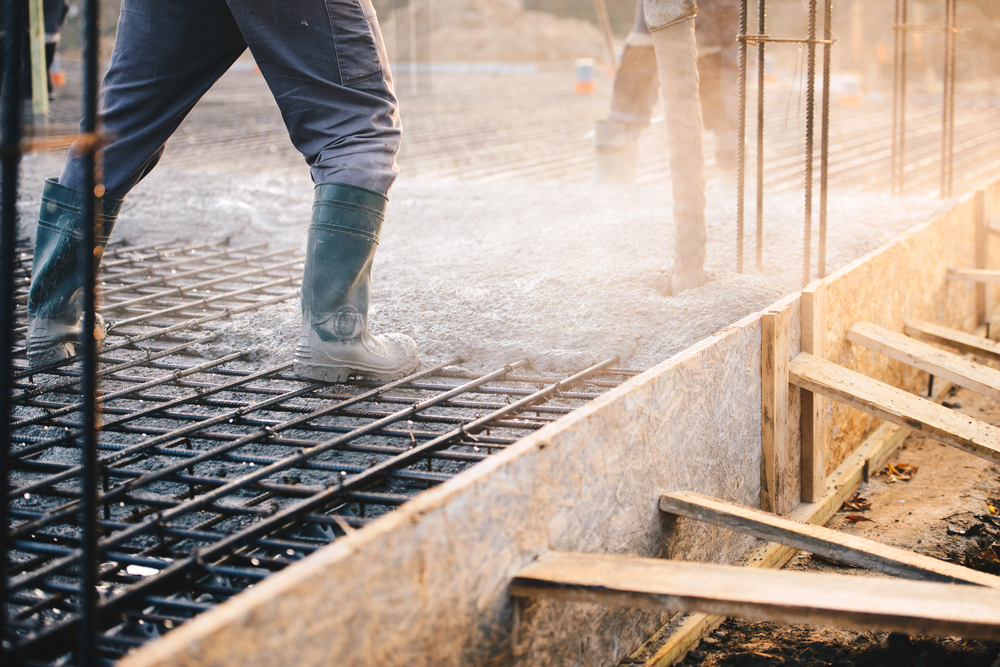
Void space construction is a foundational technique used in expansive soil mitigation. It involves intentionally creating a gap between the basement floor and the underlying soil. This void allows the soil to swell and contract without impacting the slab above. Combined with a structural floor system, void spaces are one of the most effective defenses against basement heave.
There are several ways to achieve void space. One method includes using carton forms, biodegradable cardboard forms placed beneath the slab that collapse over time, creating a permanent gap. Alternatively, precast or molded void forms made of materials like plastic or foam can be used to support the slab during the pour, then stay in place indefinitely.
In either case, the key to successful void space construction is careful engineering. The slab must be designed to span the void without relying on ground support, and the foundation walls must be capable of bearing the added load of the suspended slab. Engineers often pair this system with other strategies like proper drainage and site grading to ensure moisture does not accumulate under the home, which would exacerbate soil movement.
Helical Piers for Slabs: A Deep Support Strategy
In cases where soil conditions are particularly unstable or where an existing slab has already experienced movement, helical piers offer a reliable method for providing deep, stable support. These steel shafts with helical plates are drilled into the ground until they reach competent load-bearing strata, typically well below the depth affected by seasonal moisture changes.
Once in place, brackets or caps are used to connect the slab or foundation elements directly to the piers. In structural basement applications, helical piers can support both perimeter foundation walls and internal beam supports for the suspended slab.
Using helical piers for slabs is a strategy often employed during new construction in high-risk areas or during major retrofits where previous basement designs failed due to heave. While the installation requires specialized equipment and expertise, the results are long-lasting and minimize future movement, making them a key component of resilient basement engineering.
Designing for Durability in Hudson, CO
In towns like Hudson, the combination of expansive soils and a semi-arid climate makes basement slab performance a high-priority issue. Builders, engineers, and homeowners must work together from the early planning stages to ensure the right solutions are in place. This means selecting between structural floors vs. floating slabs based on soil reports, integrating void space construction when expansive soils are confirmed, and using deep support systems like helical piers where necessary.
It’s also critical to incorporate drainage and waterproofing strategies that minimize water infiltration around the foundation. Even the best structural slab will face problems if groundwater isn’t managed properly. Perimeter drains, sump pumps, and gutter systems that direct water away from the home all contribute to a stable soil environment under and around the basement.
Basement engineering in Hudson should never be one-size-fits-all. Soil tests should guide every aspect of design, and ongoing communication between geotechnical engineers, structural engineers, and contractors is essential. These collaborative efforts ensure the finished basement not only resists heaving forces but remains dry and functional for decades.
Conclusion
Building or remodeling a basement in Northern Colorado is a technical challenge that demands attention to soil behavior, moisture control, and structural integrity. The widespread presence of expansive soils in the region, particularly in areas like Hudson, CO, makes it essential to prioritize the right structural basement slab types from the start.
By understanding the difference between structural floors and floating slabs, employing void space construction to relieve soil pressure, and incorporating helical piers for slabs where needed, builders can greatly reduce the risk of basement heave. These techniques, when combined with solid drainage and waterproofing practices, create a holistic approach to basement durability.
For homeowners, the investment in proper basement engineering may not be immediately visible, but the cost savings and peace of mind over the life of the home are undeniable. Whether you’re building a new home or addressing issues in an existing one, taking the right steps to manage expansive soil and prevent heave is not just wise; it’s essential in the unique soils of Northern Colorado.
Need Engineers and Designers in Hudson, CO?
Since 2006, High Plains Engineering & Consulting, LLC has been a civil and structural engineering company in Fort Lupton and the surrounding areas. We provide sensible solutions to geotechnical, structural, environmental, and civil engineering challenges. Our office provides practical expertise backed by diverse design resources to get the job done cost-effectively and efficiently with sustainability in mind. We offer various services for commercial, residential, and agricultural properties like soil testing, percolation testing, and foundation and septic design for new construction. Once that is taken care of we also offer services for floor framing, garage plans, house plans, site plans, and inspection services. Call us today for an appointment!
Categorised in: Basement Construction